Film frames · Date stamps · Captions
Make it look like it came back from the lab.
Put the picture on an instant print. Frame it like a slide. Stamp the date in the corner. Sign the chin in your own handwriting.

01The frame library
Eleven frames, SX-70 to black board.
One photograph, printed in every one of them. Hold the picture still and the paper is the only thing changing.
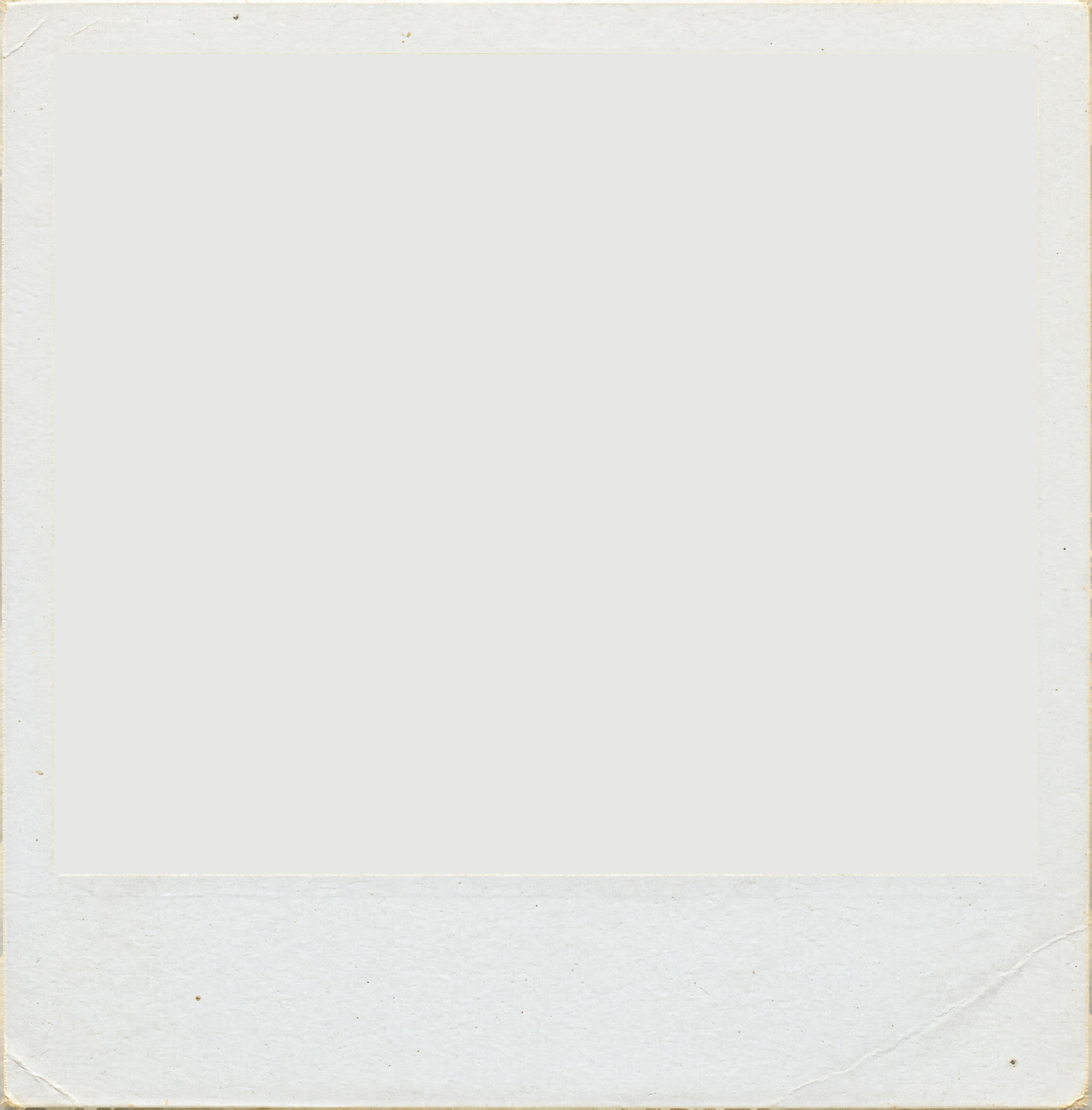

Thin sides, a deep white chin.

Brighter, whiter, glossier.
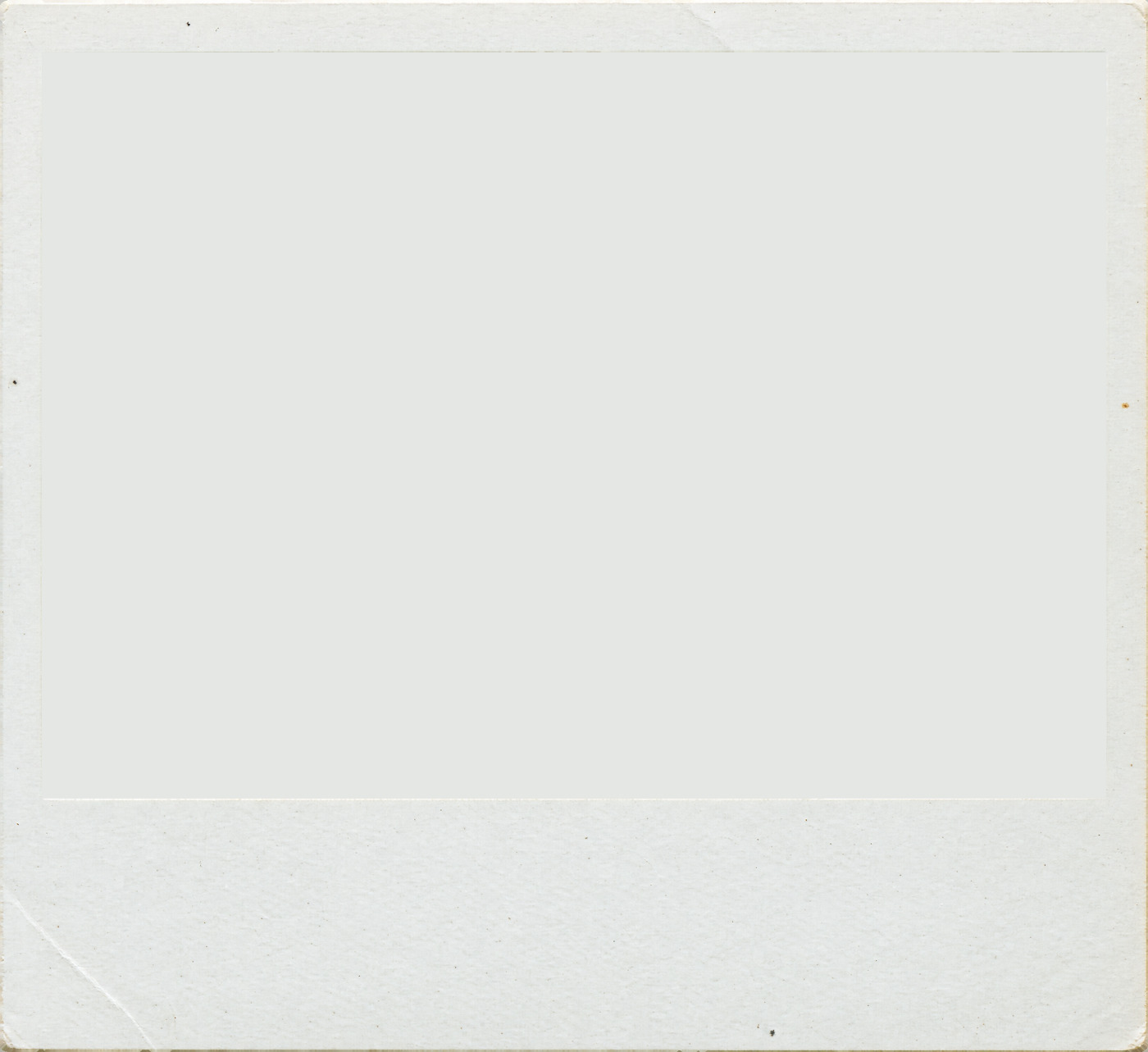
A landscape instant print.
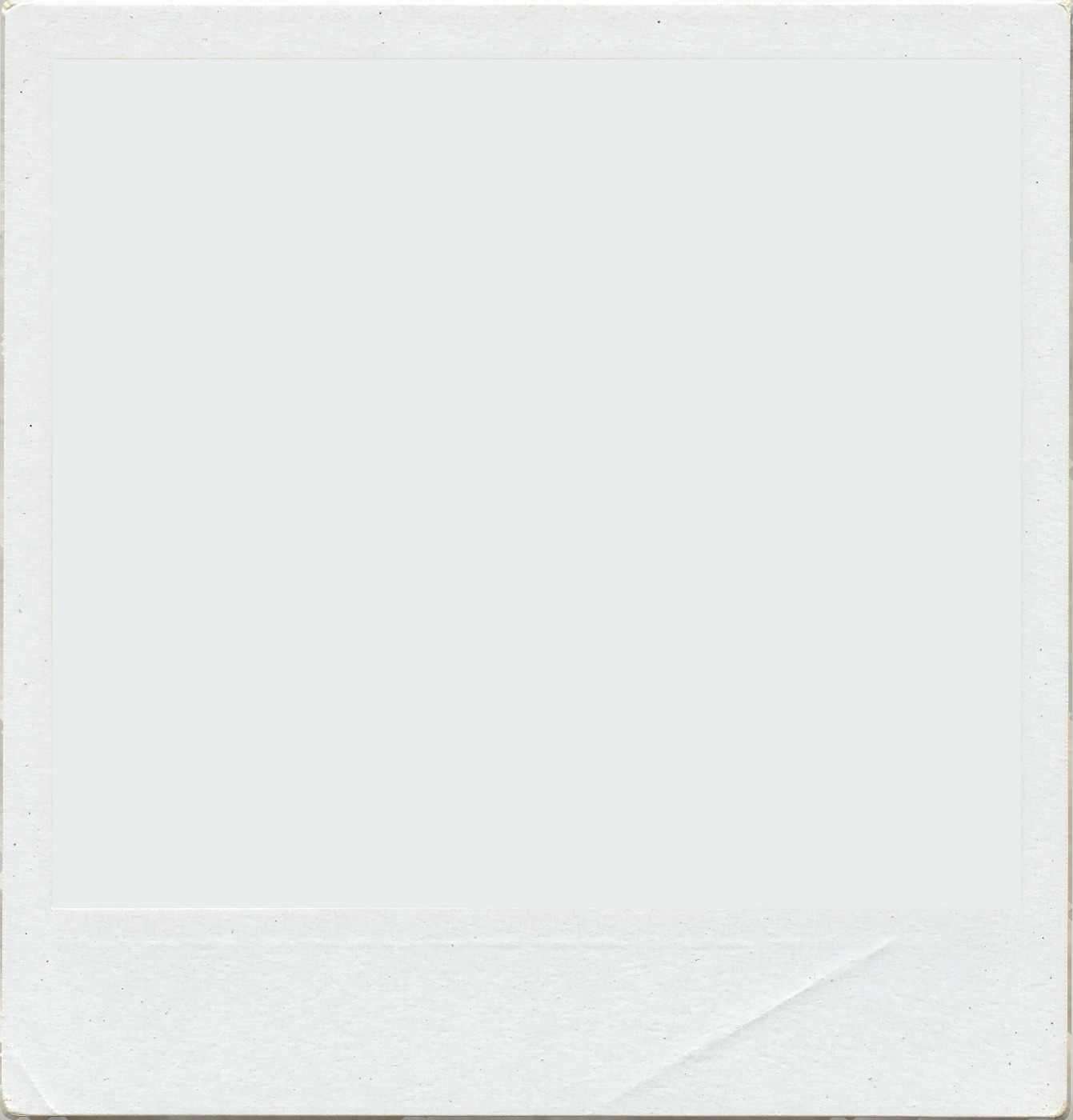
The small upright one from a party camera.

A narrow white edge and a short chin.
Instant is the one format where the paper is the whole silhouette — which is why five of the eleven are instant papers, and why the depth of the chin is the number worth being exact about.
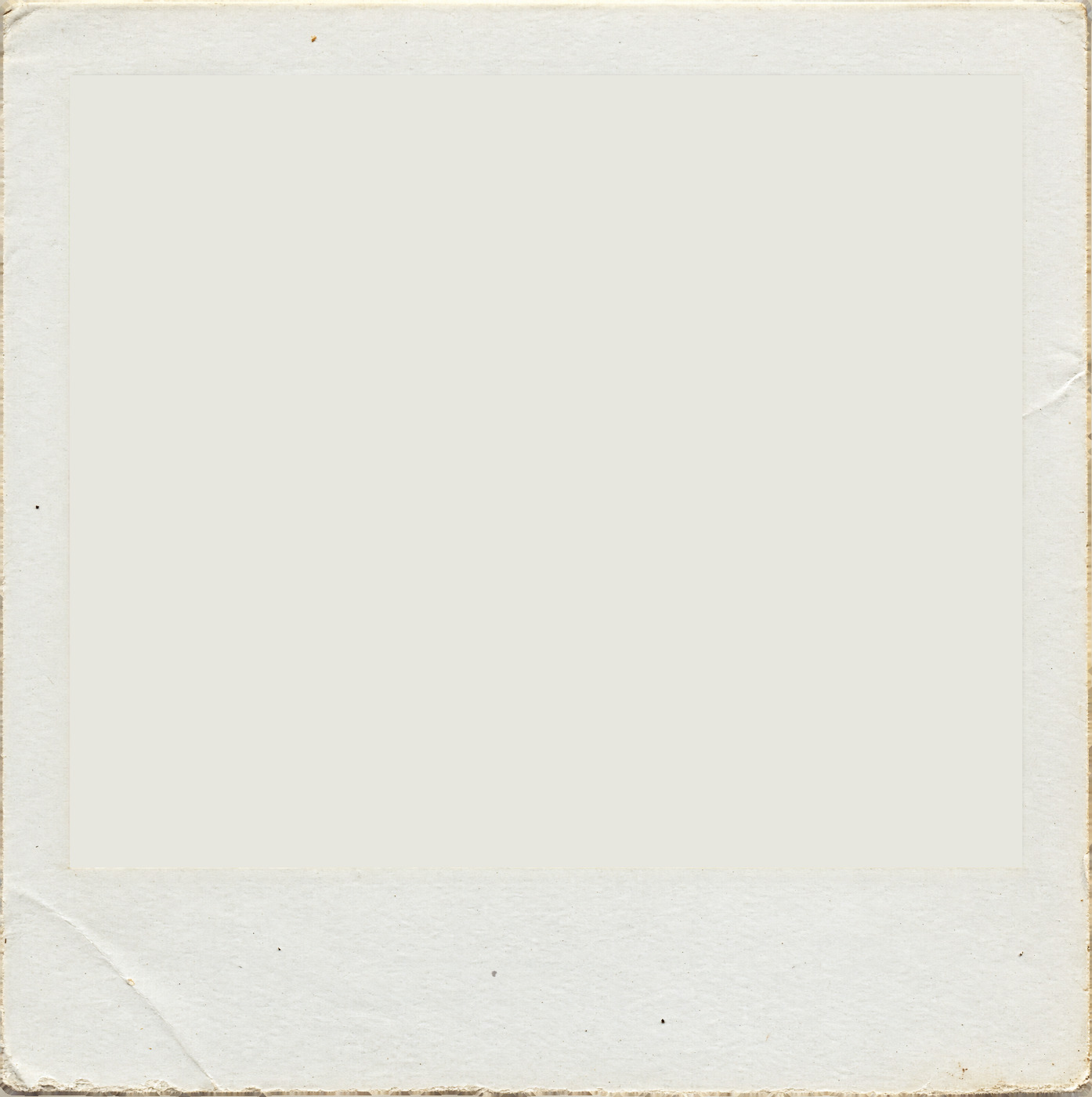
Pack film, pulled through rollers and torn off by hand.
Pack film was pulled through a set of rollers and peeled off its negative by hand. There is one of these because there was one everybody used: Type 669, torn away at the top of the chin.
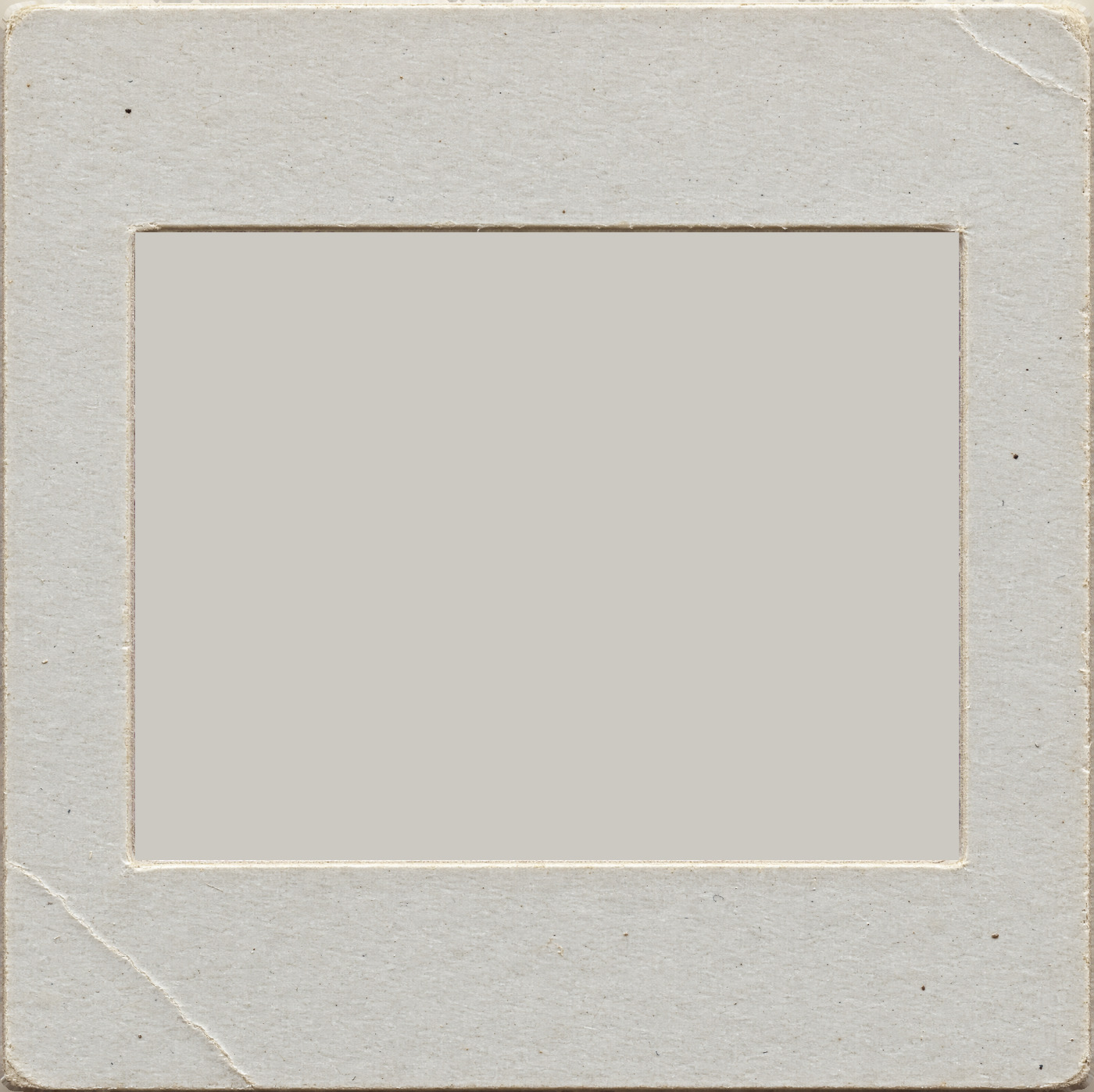
A card slide mount: an even frame on every side.
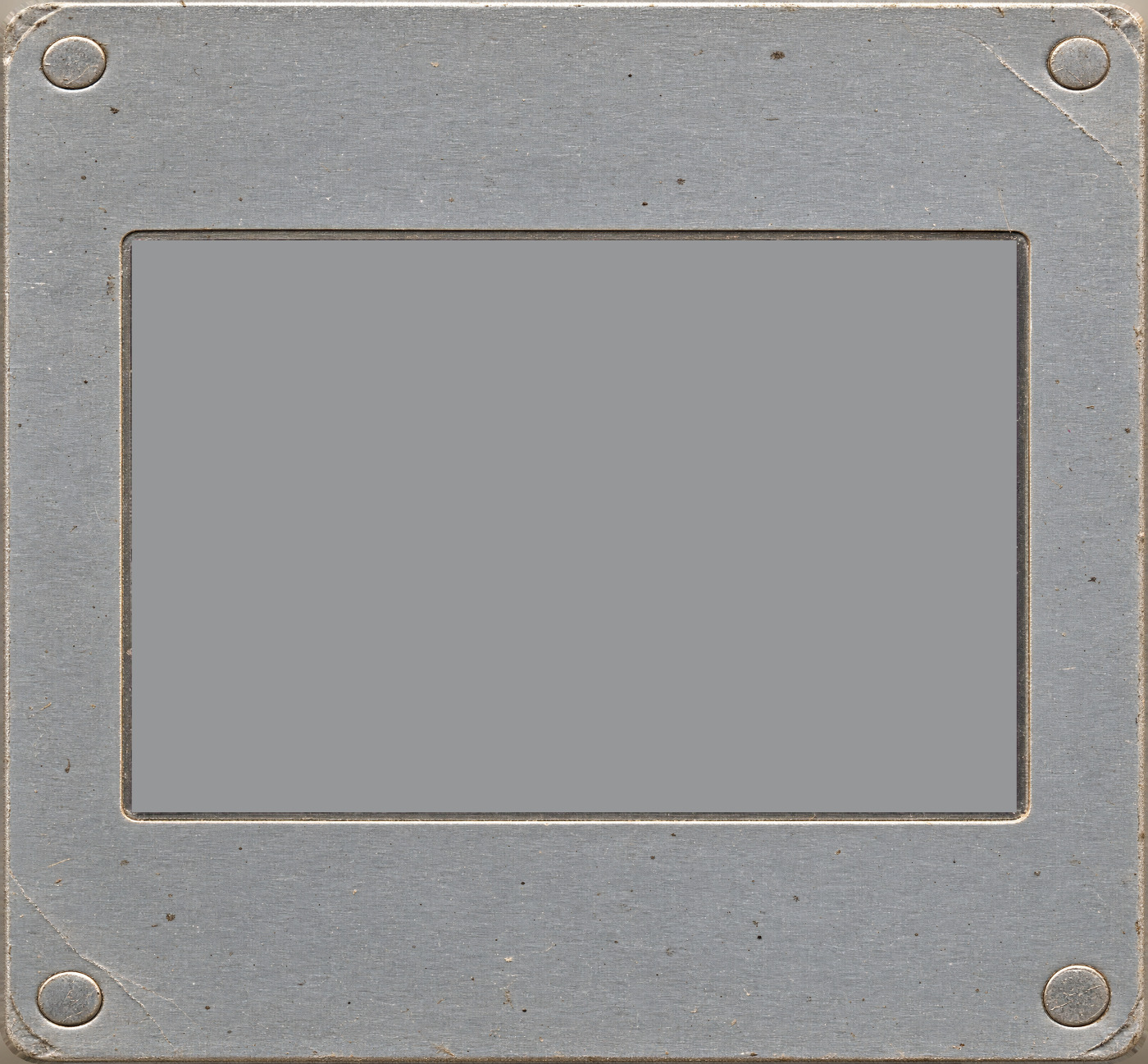
Two panes in an anodised frame — how a slide was kept.
A slide's border is a mount, not a margin. It was cut to be held up to a light and projected — and it was always labelled.
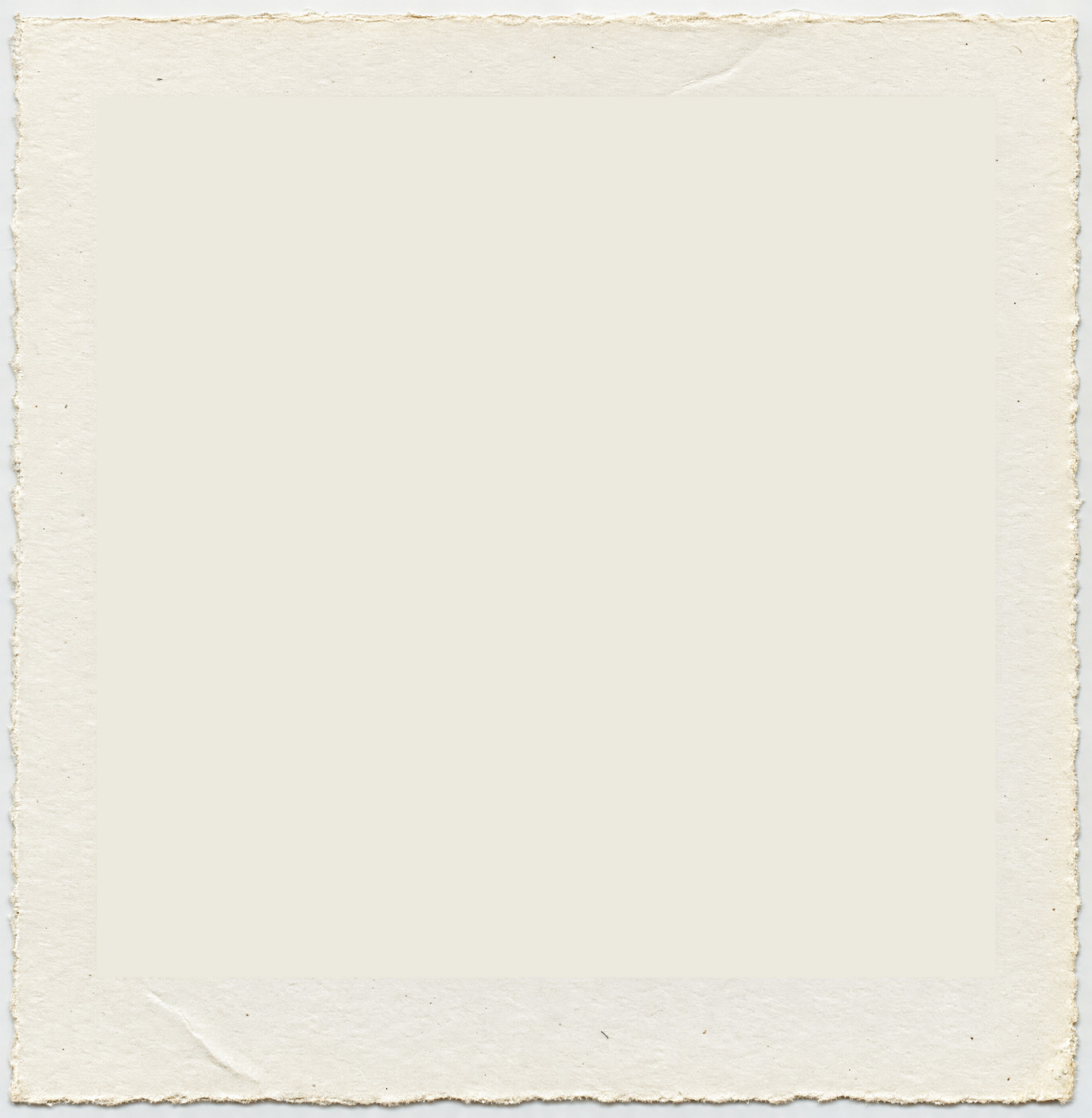
Fibre paper with a wide border and a torn edge.
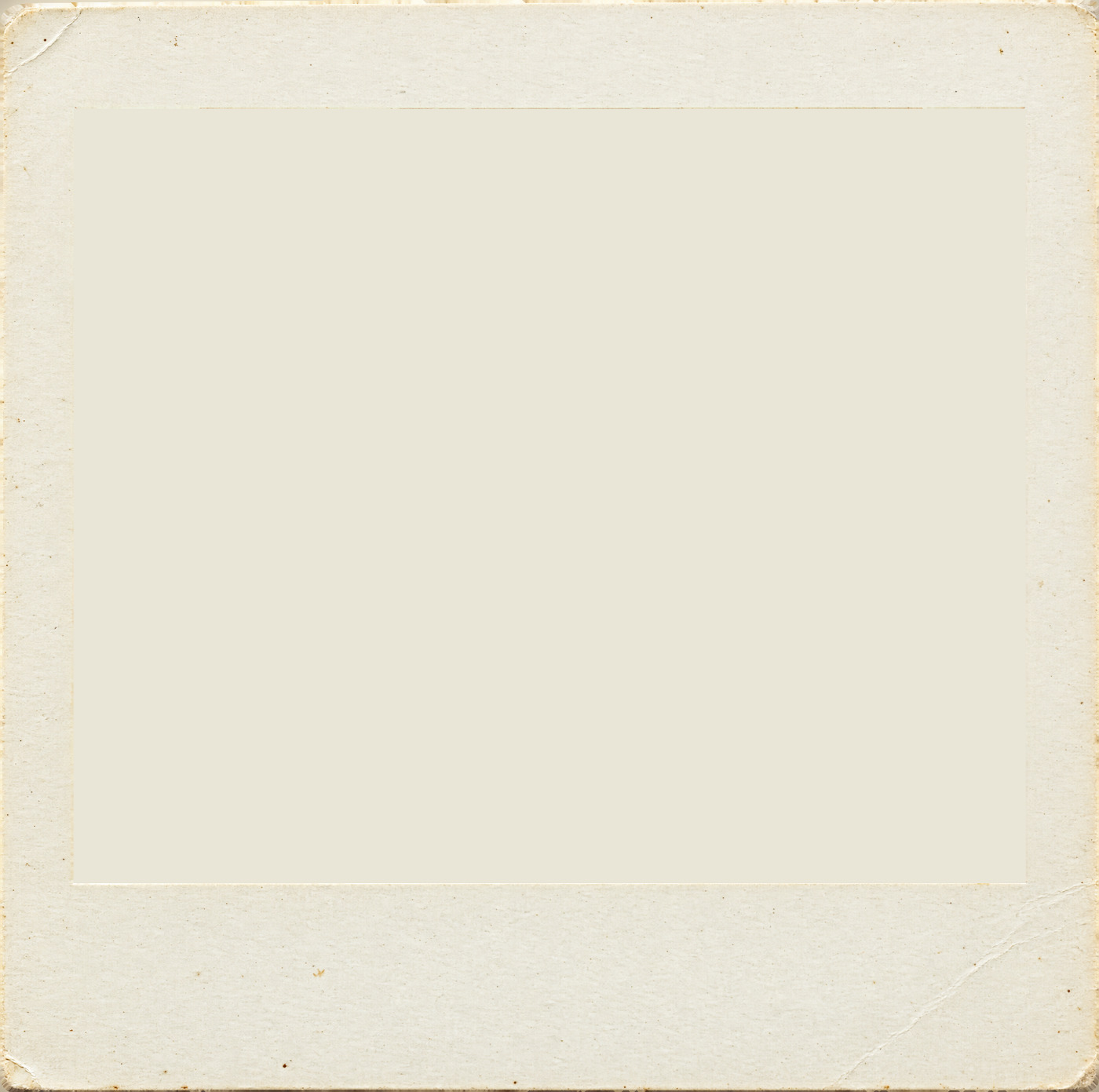
Cream card with one window and a wide even border.
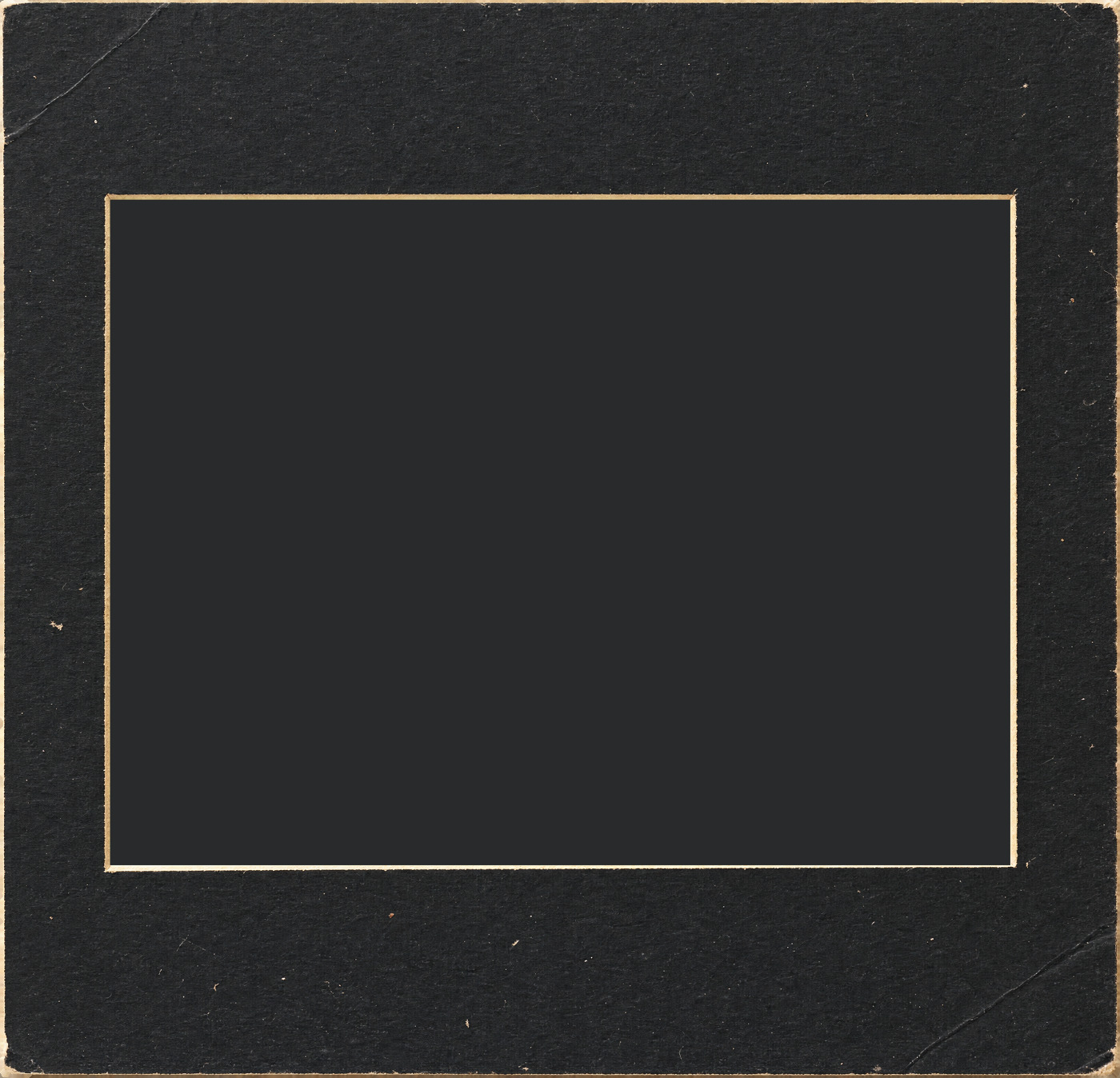
Matte black mount, its pale core showing at the cut.
ONE PHOTOGRAPH · ELEVEN PAPERS
02On the paper
A caption in your own hand, on the print.
Not a text field under the image. A line on the paper itself, where you would have written it.
An instant print’s chin is not decoration — it is where the caption goes.
A slide mount was always labelled, and never by hand. It gets the typewriter instead.
The hand belongs to the frame, not to the app. A chin wants somebody’s handwriting and a slide mount wants a technical mono, so each frame carries the one that is right for it — offering all three on every frame would only ever produce two wrong answers.
ON THE PAPER, NOT UNDER THE PICTURE
03The date back
A date stamp, burned into the corner.
The kind the labs used — '98 08 14, in amber. Turn it on and every frame gets the date it was actually taken.
The date stamp is metadata, not a filter: it reads the date off the photo and prints it in the corner in CAM135’s mono face, on the amber the lab stamps used.
READ OFF THE PHOTO · NOT TYPED IN
 '98 08 14
04Finish it
All eleven frames come with CAM135.
So do the date stamps, the captions, and the eleven films they sit on top of. $19.99 once.
$19.99 once
No subscription for the frames, the films or the cameras. Nothing is stamped on your picture that you did not put there.
NO SUBSCRIPTION · NO WATERMARK · NO ADS